




All year duvets: Which one is best for you?

As the crisp autumn air sets in, you might notice your sleep becoming a little lighter. You wake up chilly in the early morning, pull up a heavy cover, only to find you overheat an hour later. This seasonal sleeplessness is more common than you think. As ambient temperatures fall, our bodies work harder to maintain a stable core temperature required for deep, restorative REM sleep. The instinct during the changing season is to layer up, however, early autumn weather in the UK is notoriously unpredictable, and piling on heavy layers often ruins the very sleep you are trying to protect.
The secret to uninterrupted seasonal sleep isn't heavy insulation—it’s choosing breathable, natural thermoregulating fibres that adapt alongside your body temperature as the weather changes.
Why synthetic bedding stops you sleeping
To understand why natural fibres make superior all-year duvets, it helps to look at what happens when we sleep under synthetic alternatives. Polyester, hollowfibre, and microfibre duvets are essentially spun plastics. Synthetic bedding traps moisture and heat against your skin, creating a clammy microclimate that causes micro-awakenings throughout the night. During the night, your body naturally releases moisture through perspiration to regulate its core temperature. Under a synthetic duvet, this moisture cannot escape. The air inside your bed becomes increasingly humid, forcing your body to sweat more to cool down. You wake up hot, throw off the covers, cool down too quickly, and wake up freezing twenty minutes later. This sleepless cycle leaves you feeling exhausted.
Switching to natural fibres
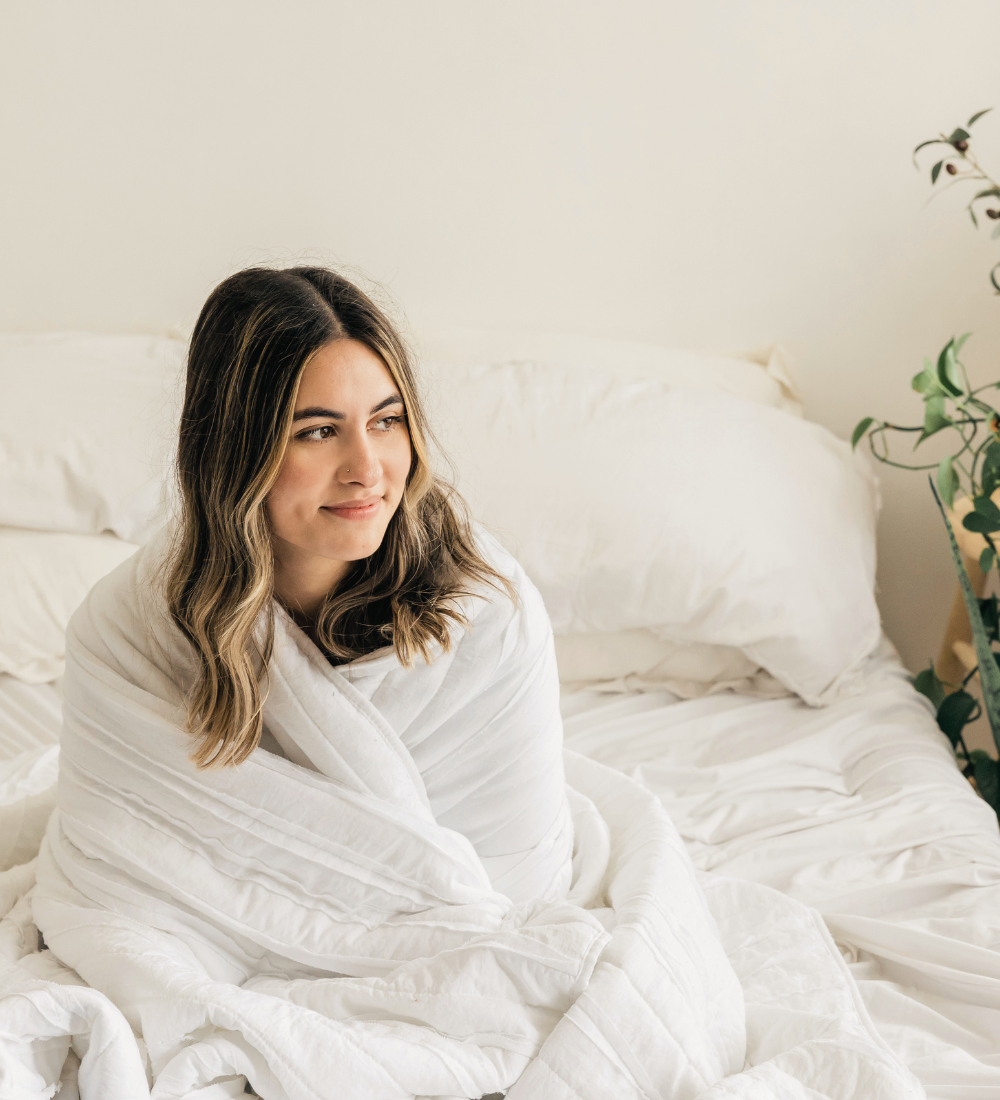
Rather than fighting your body temperature, natural fibres help create a microclimate that supports your sleep. Natural fibres absorb water vapour (yours sweat) into their inner core while releasing dry, breathable air back into your sleeping space. As your bedroom cools down towards dawn, those same fibres trap tiny pockets of still air, providing gentle warmth that keeps you perfectly insulated.
At Greenfibres, our all-year duvets are crafted around a 10-tog standard—the ideal middle weight for temperate UK climates. Combined with pure, GOTS certified organic cotton duvet covers, our range of natural fillings offers unique benefits for every type of sleeper.
What are the benefits of the different natural all-year duvets?
| Filling | Who is it for? | Key Advantage | How does it feel? |
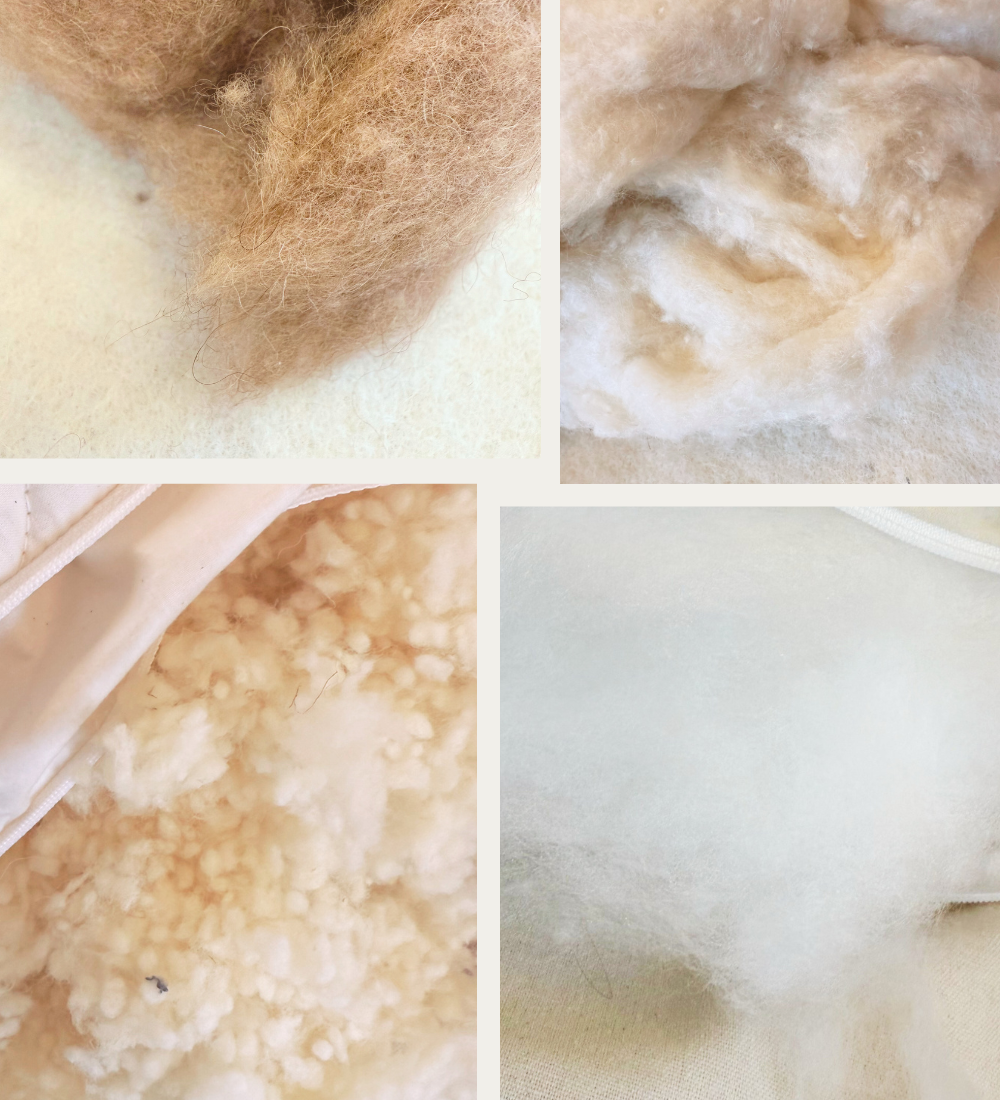
| Organic wool | Couple with different temperature needs, -flourishing couples & varied sleepers | Absorbs up to 30% moisture; microclimate balancer | Medium weight, crisp structure |
| Wild silk | Hot sleepers, night sweats, sensitive skin / eczema | Naturally hypoallergenic, frictionless, and cool | Weightless, contours closely |
| Organic cotton & kapok | Vegans seeking feather-down alternative |
Two plant based fibres combined for excellent breathability |
Light, airy, and high-loft |
| Tencel | High-perspiration sleepers, people with allergies that want to wash their duvets | Superior moisture management over cotton | Smooth, supple, cool touch |
| Camel hair | Premium luxury seekers needing adaptive warmth | High warmth-to-weight ratio for fluctuating climates | Cloud-like, plush drape |
How do I choose a natural duvet that will help me sleep better?
-
-
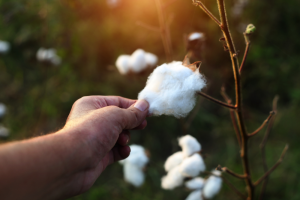
Harvested sustainably from the seed pods of wild trees without harming the forest, kapok is often called "plant down." It is an extraordinarily light, silky fiber that is naturally hollow. Blended with breathable cotton, this combination enhances air circulation and durability while remaining inherently insulating, moisture-resistant, and dust-mite repellent. The result is a plush, lofty, and completely vegan alternative to traditional down that regulates temperature all night long.
-
-
-
Wool is nature's original climate control fibre. Its crimped fibres act as insulators that trap air to keep you warm enough, while letting excess heat escape. It can absorb up to 30% of its own weight in moisture without ever feeling damp, making it the ideal choice for couples who share a bed but sleep at different body temperatures. It has a weighty feel so is great for people who like the comfort of sleeping under a heavier duvet.
-
-
-
Silk provides a completely unique sleep experience. Incredibly fine and lightweight, a silk-filled duvet contours closely to the curves of your body, eliminating cold drafts along the edges of the bed. Silk is naturally hypoallergenic and inherently cooling, making it the ultimate selection for hot sleepers, those suffering from hot flushes, or people with skin sensitivities and eczema who cannot tolerate heavy, abrasive layers.
-
-
-
Derived from sustainably harvested wood pulp using a closed-loop production process, Tencel absorbs 50% more moisture than conventional cotton and is better at retaining heat. It provides a cool-to-the-touch feel with maximum humidity management, delivering balanced comfort as the seasons shift. Suitable for vegans, and ideal for those with allergies combining the covenience of a synthetic fibre being machine washable, with the comfort and healthy qualities of a natural fibre.
-
-
-
Sourced from the soft undercoat of camels living in extreme desert climates, camel hair possesses extraordinary thermoregulating properties. It is lighter than wool yet offers superior warmth-to-weight efficiency, buffering effortlessly against severe autumn temperature fluctuations.
-
Frequently Asked Questions
1. Is a 10-tog duvet really warm enough for the winter months?
Yes, for a modern, centrally heated home, a 10-tog natural fibre duvet is usually the ideal year-round weight. Unlike synthetic 10-tog duvets that feel heavy and trap clammy heat, natural fillings like wool, silk, or camel hair insulate far more efficiently per gram while allowing body moisture to escape. If you live in an unheated or particularly cold house, layering a natural wool throw over your 10-tog duvet during deep winter frosts will usually provide all the extra warmth you need.
2. What is the difference between an organic cotton & kapok duvet and a tencel duvet?
Our organic cotton & kapok duvet blends two natural plant fibres to create a soft, lofty, and traditional "down-like" feel. The hollow nature of wild kapok provides lightweight insulation, while the organic cotton adds structure and breathability—making it a fantastic 100% vegan alternative to feather duvets. Tencel, by contrast, is a smooth fibre derived from wood pulp that is has high-capacity moisture management. While both are completely plant-based and ideal for temperature regulation, cotton & kapok offers a plush, airy loft, whereas tencel provides a silky, cool-to-the-touch feel with a supple, body-contouring drape.
3. How do I care for an all-year natural fibre duvet?
Duvets made with animal fibres such as silk or wool will are inherently self cleaning and regenerate themselves naturally, simply air your duvet regularly, outside whenever possible. Sunlight and fresh air naturally sanitise fibres and restore their loft. You can spot clean any marks or stains with a natural detergent, just make sure it's totally dry before putting back in the cover. If it's important to you to be able to wash your duvet, then a plant based duvet like our tencel or cotton and kapok duvet can be washed.
4. Why is natural bedding better for people with allergies or eczema?
Synthetic bedding traps sweat and heat, creating a humid environment where dust mites thrive and sensitive skin becomes inflamed. GOTS-certified organic textiles are grown and processed without toxic pesticides, chlorine bleaches, or heavy chemical dyes that can cause irritation to skin, and respiratory systems. Furthermore, materials like pure silk, wool, and kapok are naturally hypoallergenic, dust-mite resistant, and smooth against the skin, helping prevent nocturnal flare-ups and friction.