


What is a truly sustainable wardrobe?
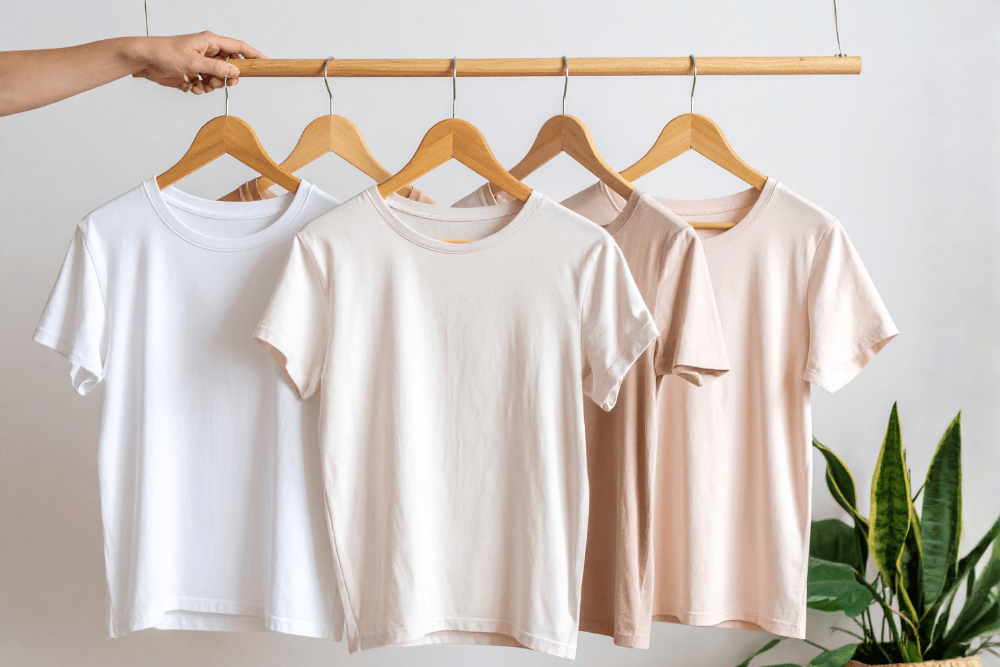
In the world of fashion, "sustainable" has become a popular buzzword. We see it on labels, in shop windows, and across our social feeds. But at Greenfibres, we believe that for a word to have integrity, it needs to be backed by reality, and not just marketing spin. As we see more and more brands claiming sustainability in their clothing ranges, it’s time to take a look at the lifecycle of our clothes. If you were to bury your favourite t-shirt in the garden, would it nourish the soil, or would it still be there, unchanged, for your grandchildren to find?
The plastic problem in “eco” clothing
Many “sustainable" brands today rely heavily on recycled polyester (rPET) made from plastic bottles. While it's a step away from virgin plastic, the reality is: it is still plastic. Every time a synthetic garment is washed, it sheds thousands of microscopic plastic shards into our water systems. And when that garment eventually wears out? It will sit in a landfill for hundreds of years. Add to that, recent research is starting to show that recycled polyester can shed more microplastics than virgin polyester.
Truly circular clothing
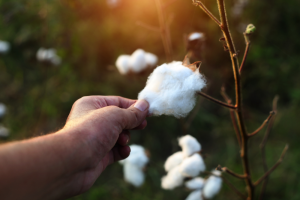
At Greenfibres, we’ve spent 30 years championing a different path: truly circular clothing. Because nearly all our clothing is made from 100% natural, GOTS certified organic fibres like cotton, wool and silk they are completely biodegradable.
When a 100% organic cotton vest reaches the end of its long life, it doesn't become waste, sitting in landfill. In a healthy composting environment, the microorganisms in the soil break down the cotton fibres, returning the carbon and nutrients to the earth. Clothing that comes from the soil, returning to the soil.
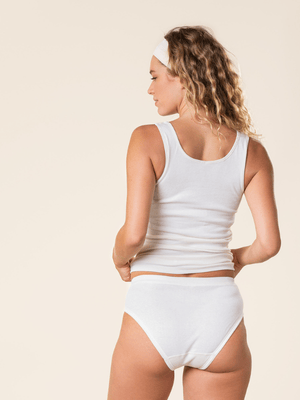
Not all natural fibres are created equal
Conventional cotton is often referred to as the world’s dirtiest crop, using an estimated 16% of the world's insecticides and 7% of all herbicides. These chemicals don't just vanish; they deplete the soil, poison local water sources, and can even remain as trace residues within the fibres of your clothing. Organic cotton, by contrast, is a restorative force. By choosing GOTS certified organic fibres, we ensure that no synthetic pesticides or fertilizers are used. This protects the health of the farmers, preserves the biodiversity of the soil, and uses up to 91% less water than conventional cotton farming methods. When you wear organic cotton, you aren't just wearing a cleaner fabric, you are supporting a farming system that leaves the earth better than it found it.
It’s all in the detail
True biodegradability requires more than just the right fabric. This is why we pay attention to the hidden components that many brands overlook. The buttons: we opt for wood or tagua nut, rather than plastic. The zips: we choose metal instead of plastic. The dyes: GOTS certified clothing only uses low-impact dyes, which means that after use, as the fabric breaks down, it doesn't leach heavy metals or toxins into the groundwater.
Buying with the end in mind
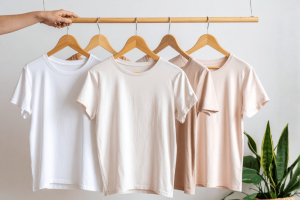
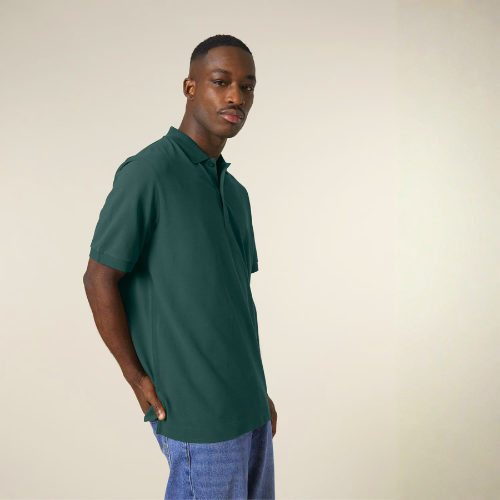
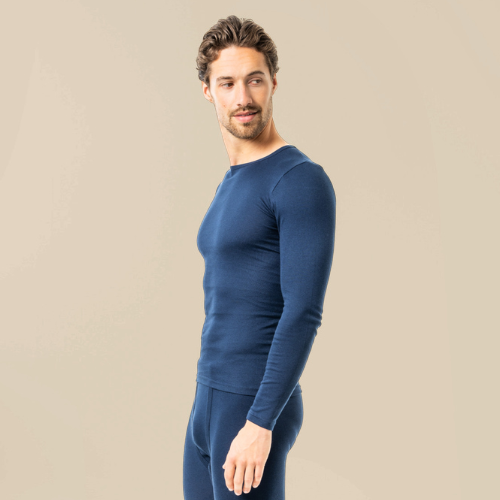
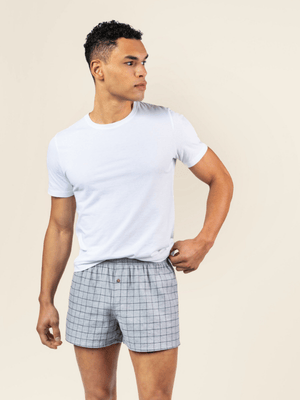
When we source a garment, we are thinking about its ending, just as much as its first day of wear. For the vast majority of our collection, such as our 100% organic cotton vests, t-shirts and sweatshirts or our cotton, wool and silk underwear, these pieces are crafted to be fully compostable, because they are free from synthetic blends, they can eventually return to the soil without leaving a trace of plastic behind. Even our details, like tagua nut buttons and organic thread, are chosen so they don’t disrupt this natural cycle.
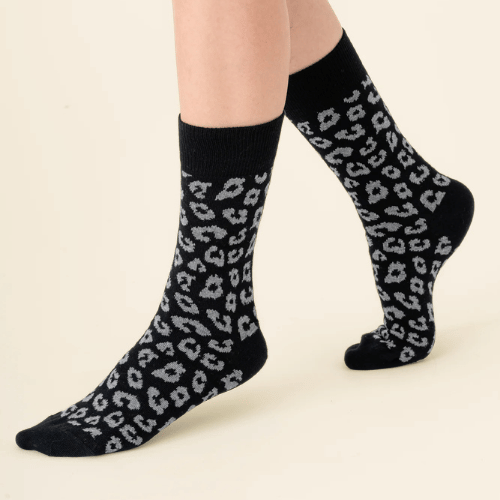
Whilst our goal is always 100% natural, we also believe in practicality. For items that face heavy daily wear—like your socks, we include a small amount (typically 5–8%) of elastane, we also offer underwear with elastic waistbands. We believe that a garment that keeps its shape for years is far more sustainable than one that loses its fit. By extending the life of these daily essentials, we reduce the need for new resources, ensuring that we can all 'buy less, buy better'. We are building on our 30 years of research in natural fibres to source new, plant-based elastic alternatives to reach that 100% goal, but until then, we choose transparency to allow you to make an informed decision with everything you purchase at Greenfibres.
When you need to replace current items in your wardrobe, explore organic clothing for women and organic clothing for men at Greenfibres.