




The Best Bedding for Allergies: a guide to restful, reaction-free sleep

We all look forward to retreating to bed at the end of a long day. But for anyone prone to nighttime allergies, bedtime can bring a familiar sense of dread. If you regularly wake up with a congested nose, irritated throat, or itchy, watery eyes, your bedding might be harboring the very triggers causing your symptoms.
Investing in allergy-friendly bedding is one of the most effective ways to reclaim your sleep, especially if you:
-
Sneeze or cough frequently as soon as your head hits the pillow.
-
Notice your asthma or chest tightness flaring up during the night.
-
Wake up feeling congested, even when you aren’t poorly.
-
Sleep in a bedroom that tends to trap heat and humidity.
-
Share your home with pets (whose invisible dander travels everywhere).
Why Fabric Choice Matters: The Science of Bedding Allergens
Night time allergy flare-ups are rarely random. They are typically triggered by micro-irritants that settle right where we breathe. At a microscopic level, conventional fabrics often invite these irritants in. Here is why:
-
Dust mites don't just prefer warm, humid environments—they require them to survive. Feeding on shed skin cells, they multiply rapidly inside pillows, duvets, and mattresses that trap moisture, triggering chronic morning congestion and skin irritation.
-
When bedding lacks proper breathability, sweat and environmental humidity linger within the fibres. This creates a damp environment where microscopic mold spores can quietly establish themselves.
-
Many modern bed sheets are blended with polyester or treated with chemical anti-wrinkle resins. These synthetic finishes essentially "glaze" the fabric, blocking natural airflow, trapping heat, and releasing chemicals that further irritates sensitive airways and eczema-prone skin.
Pure, untreated natural fibres work in the exact opposite way. They are naturally hostile to allergens simply because they keep your bed dry, cool, and beautifully ventilated.
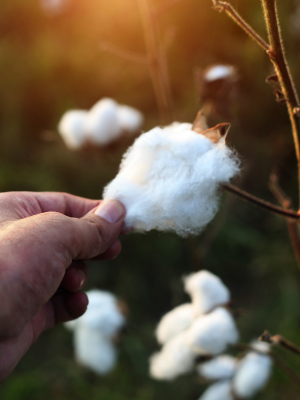
So what is the best bedding for allergies?
1. Organic Cotton
For pure skin health and respiratory relief, pure organic cotton is unrivaled. Its naturally porous structure acts as a built-in thermostat, actively pulling moisture away from your body so dust mites cannot thrive. Unlike conventional cotton, which is heavily treated with pesticides and harsh chemical dyes, certified organic cotton is entirely pure. By eliminating chemical residues, you drastically reduce the risk of contact dermatitis and airborne sensitivities. A tight, high-quality weave also creates a physical barrier that prevents dust mites from migrating. Always make sure that your organic cotton bedding is certified, so you can be sure it's been independently verified to ensure that it's authentically organic/
2. Tencel
Derived from sustainably sourced wood pulp, tencel is a modern marvel for sensitive skin. It's tan expert at moisture management, absorbing and dispersing dampness faster than almost any synthetic alternative, plus it's washable by machine or by hand.
3. Natural Silk
Silk is inherently hypoallergenic - It naturally contains a protective protein called sericin, which makes the material inherently resistant to mold, mildew, and dust mites. It feels instantly cooling against inflamed skin and provides a naturally hostile environment for common bedroom allergens.
Building Your Anti-Allergy Sleep Sanctuary.
Swapping your sheets is an excellent start, but complete protection requires a layered approach:
-
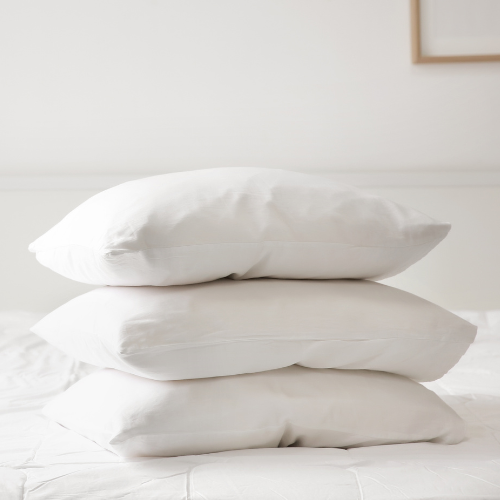
Pillow protectors and cases: Because pillows sit directly against your airways, they are the primary collectors of dust mites and skin cells. A breathable, organic protector creates a washable barrier, keeping the core of your pillow hygienic.
-
Mattress protectors: A mattress can store allergens for years. Adding a substantial, washable organic cotton protector or wool pad is one of the single most impactful changes you can make for your respiratory health.
-
Duvet covers: These prevent pet dander, pollen, and dust from settling deep inside your duvet fibres, keeping your bedding environment fresh between deep cleans
-
.

3 Simple Habits for an Allergy-Free Bedroom
-
Prioritise air flow: Open your windows for at least 15 minutes every morning to let trapped humidity escape.
-
Don’t make your bed immediately: Peel back the covers when you wake up to let the sheets cool down and dry out fully before making the bed.
-
Wash wisely: Wash your bed linens regularly using gentle, fragrance-free eco detergents to remove accumulated skin cells and dust.
Allergy Bedding FAQs
What is the single best bedding material for allergies? A high-quality, tightly woven organic cotton (like crisp percale) is generally best. It combines excellent airflow with a smooth surface, and the lack of chemical processing means it won't irritate sensitive skin or airways.
How often should I wash my sheets if I have allergies? Aim for once a week. Regular washing removes the buildup of skin cells and environmental dust. Ensure your bedding is completely dry before putting it back on the bed, as any lingering dampness can invite mold spores.
Why does my allergy get worse as soon as I get into bed? Conventional mattresses and synthetic bedding act like giant filters, trapping dust mites, pet dander, and moisture over time. When you lie down, your movement compresses the bed, releasing these microscopic particles directly into your breathing zone.