






Cool the planet one t-shirt at time: why choosing organic helps fight climate change
When we think about combating climate change, our minds usually jump to solar panels, electric vehicles, or cutting down on travel. Rarely do we look at our underwear drawer at the underwear drawer or the linen cupboard, but your pants could play a bigger part than you think. That's because the global textile industry is one of the deepest drivers of carbon emissions, water scarcity, and environmental degradation on earth.
However, being an eco-conscious shopper choosing the most sustainable option can feel like a minefield. With greenwashing at an all-time high, high-street brands frequently use vague buzzwords to sound sustainable. But when you strip away the marketing fluff, the real battle for our climate is being fought exactly where our clothes begin: in the soil.
Here is the science of why choosing certified organic textiles is one of the most powerful, everyday climate actions you can take.
The climate cost of conventional cotton
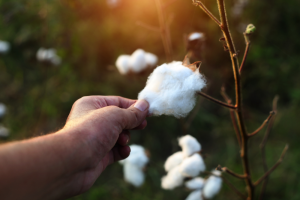
To understand why organic helps our climate, lets first take a look at the alternative. Conventional cotton is often framed as a natural product, but its heavy industrial farming methods tell a very different story:
-
Industrial cotton farming relies heavily on synthetic, petroleum-based nitrogen fertilisers. Manufacturing these chemicals is incredibly energy-intensive, and when applied to fields, they release nitrous oxide —a greenhouse gas nearly 300 times more potent at trapping heat in our atmosphere than carbon dioxide.
-
Heavy pesticide use and intensive farming strip the soil of its natural life, turning it into little more than dead dirt. This depleted soil cannot hold water, meaning conventional farms require staggering amounts of artificial irrigation, draining vital local water tables.
How organic cotton helps the climate crisis
Organic farming flips this entire destructive cycle on its head. By choosing certified organic cotton (like the essentials we source at Greenfibres), you are directly supporting a farming system that works with nature to actively cool the earth.
1. Turning fields into carbon sinks
Healthy soil is a living ecosystem bursting with microbial life and organic matter. Because organic farming bans synthetic chemicals and prioritises crop rotation and composting, the soil remains incredibly rich and healthy. Why does this matter for climate change? Healthy soil acts as a massive carbon sink. It naturally pulls carbon dioxide out of the atmosphere and locks it safely underground. According to data from the Soil Association, if all UK farming converted to organic, we could offset at least 11% of the UK’s total agricultural emissions just through soil carbon sequestration.
2. Water Conservation
Because organic soil is rich in organic matter, it acts like a giant natural sponge. It retains water beautifully, meaning organic cotton farms are highly resilient to droughts and require up to 91% less blue water* (water extracted from local lakes and rivers) than conventional farms.
3. Reducing the carbon footprint
By completely eliminating synthetic pesticides and fertilizers, organic cotton production emits up to 46% less greenhouse gases than conventional cotton. It is a cleaner, leaner, and naturally lower-carbon process from seed to stitch.
Reduce your impact further, buy less
At Greenfibres, we don't believe in chasing fast-fashion trends or producing endless seasonal collections. Instead, we focus heavily on the everyday essentials that are not practical or difficult to source as second hand: underwear, socks, basic t-shirts, and bedding.
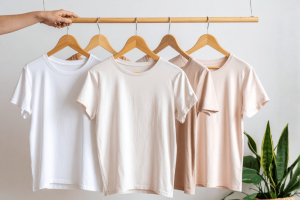
These are the garments that are closest to your skin, day and night, meaning they are also the garments that get washed, worn, and replaced the most frequently. When you choose an organic t-shirt or organic underwear, you aren't just protecting your skin from toxic chemical residues. You are casting a economic vote for a healthier farming system, and supporting farmers who protect biodiversity, save local water supplies, and actively pull carbon out of our warming skies.
No purchase is entirely footprint-free, which is why the first rule of sustainability will always be to use what you have and buy only what you truly need. But when the time comes to refresh the essentials you live in every day, choosing certified organic is more than a luxury choice—it is a tangible, practical contribution to a cooler, more resilient planet. Next time you pull on a simple white t-shirt or climb between crisp bed sheets, you can rest easy knowing that your comfort didn't come at the cost of the earth.
References & Data Sources:
-
Global warming and water data sourced from the Textile Exchange Life Cycle Assessment (LCA) of Organic Cotton.
-
Soil carbon sequestration data sourced from The Soil Association (UK)