





How to avoid toxins in your towels

What’s lurking inside your towels?
Your bath time routine should be a time to relax, wash off the day and get ready to rest. Whilst the humble towel may seem fairly innocuous, if you’ve not chosen an organic one you could be drying your skin off with a cocktail of chemicals, whilst contributing to the microplastics problem in our seas and oceans. It's not such a relaxing and indulgent experience, when you realise your towels can be toxic not only to you, but also our planet
Let’s take a look at why a simple switch over to organic towels could be better for your health, and our for our world.
Why towels are toxic to you and your family:
If you’re already using cotton towels, it’s important to know that if they’re not made from organic cotton, they may be harbouring toxins you’d rather not be rubbing on your skin. These toxins can lead to skin irritation, exacerbate respiratory issues and other health problems, particularly if you have a pre-existing condition like eczema, psoriasis, or dermatitis.
It’s good to know when you choose organic towels, you’re avoiding these toxins including:
-
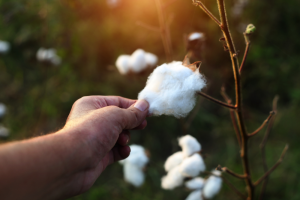
Synthetic pesticides: cotton is one of the most pesticide-intensive crops in the world, and the toxic sprays used can still linger on cotton fibres after they’ve been made into your towels.
-
Dodgy dyes and finishing agents: any dyes or agents that are damaging to our health or our environment are banned under Global Organic Textile Standards (GOTS).
-
Bleaching agents: Chlorine based bleaches, commonly used to whiten towels, and like pesticides can leave behind residues on towels causing irritation and itching on skin.
Bathtime should be a luxurious and relaxing experience, so why wrap yourself up in a towel that could trigger discomfort, redness and inflammation?

Why towels are toxic to our planet
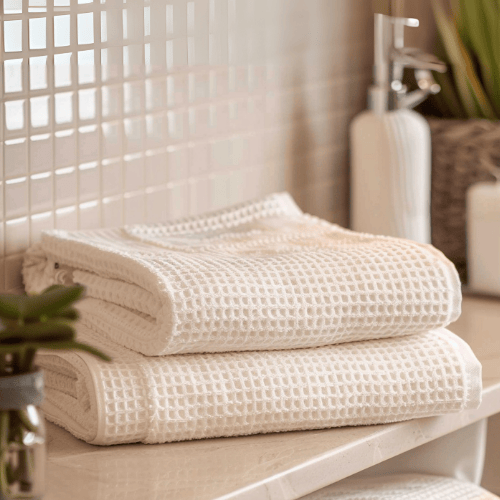
Non-organic towels often contain synthetic fibres like polyester that can release microplastics when you wash them. When you wash these towels, these synthetic fibres enter our waterways, into our rivers and oceans, contributing to plastic pollution and causing harm to marine life. Whilst synthetic towels like microfibre are promoted as being convenient as they’re absorbent and quick to dry, an organic cotton waffle towel will do the job just as well, without the dodgy microplastics.
Synthetic blend towels, contain a mix of cotton and polyester, and are promoted as being more durable, but as organic cotton fibres aren’t treated with harsh chemicals, they are longer lasting then non organic cotton fibres that become damaged through reperated processing and chemical applications.
If you want to avoid plastics, then be sure to look out for pure organic cotton towels. This avoids you inadvertantly bringing more plastics into your life such as silicone coatings. This is a trick used by manufacturers to make towels feel softer when you buy them, but once washed these coatings are released, leaving you with rougher feeling towels. Making the switch to certified organic cotton towels is the best way to ensure your towels are sustainable and eco-friendly.

Guilt free bathing
When you choose organic towels that carry GOTS certification, it’s reassuring to know it means they’ve been ethically made. This ensures farmers are paid a fair price for their cotton, and workers in the cotton manufacturers are paid fairly and work in safe conditions. How much better does that towel feel now, knowing that no one has been exploited in it’s production?
It’s time to make the switch
Switching your towels for organic towels is just one of the small changes you can make towards living more ethically, safely and sustainably. Shop our range of organic cotton towels available at Greenfibres here